
Spotlight Profile – Dr. Adrian Tong, Counselling Psychologist and University Lecturer

Category Archives: Experts

Spotlight Profile – Dr. Adrian Tong, Counselling Psychologist and University Lecturer

In this spotlight profile, we are speaking to Dr. Adrian Tong.  Adrian is a counselling psychologist and lecturer at Hong Kong Shue Yan University with a research interest in psychological intervention process, parental stress and parenting and acceptance and commitment therapy.


Adrian, thank you for taking the time to speak with us today. 

It is my honor to be here with you. Thank you for the invitation.


First off, can you tell us a little bit about your background and training so our readers can get to know you better and your area of specialty?

I am a counseling psychologist and lecturer at Hong Kong Shue Yan University. Over the past several years, I have had the privilege of providing counseling services to individuals facing psychological distress, as well as couples and families dealing with communication disputes. My research primarily focuses on the areas of parental distress, parenting, children’s behavior, and special educational needs. Furthermore, I have a keen interest in the process of psychotherapy, particularly in acceptance and commitment therapy. In addition to my counseling work, I also provide supervision to counseling students at both the master’s and bachelor’s levels.


As a counselling psychologist, what is your main role in helping those going through distressing times?

Within the field of counseling psychology, a wide range of psychotherapy approaches are employed to cater to the unique needs of clients, for example, cognitive behavioural therapy (CBT), acceptance and commitment therapy (ACT), solution-focused brief therapy (SFBT), client-centered therapy (CCT), psychoanalytic therapy, and more. By utilizing these various therapeutic approaches, counseling psychologists collaborate with their clients to explore the underlying disturbances that impact their emotional well-being and daily functioning. While our behaviors are observable, they often stem from deeper yearnings and unmet needs. These hidden aspects of ourselves can influence our thoughts, feelings, and actions. Through the therapeutic process, counseling psychologists help clients uncover and understand these underlying yearnings, facilitating insight and personal growth.

The interventions employed by counseling psychologists vary depending on the chosen therapeutic approach. These interventions aim to reduce the negative impact of these hidden yearnings on individuals’ lives. By addressing these underlying disturbances, counseling psychologists work towards alleviating distress and promoting emotional well-being.

However, the role of a counseling psychologist extends beyond symptom reduction. It is also about fostering self-awareness and facilitating personal growth. By helping individuals develop a deeper understanding of themselves, counseling psychologists empower clients to make meaningful changes in their lives. This journey of self-discovery and self-actualization allows individuals and families to access their full potential, even in the face of life’s challenges.


An area of research interest and specialization is acceptance and commitment therapy. What is this and how does this play into a scenario such as divorce?

The experience of divorce often brings about extreme distress for individuals. It is not solely due to the significant life changes that occur, but also because individuals may develop negative perceptions of themselves or life in general. Some may internalize blame and responsibility, harboring thoughts such as “I am a bad wife/husband,” “I always mess things up,” or “No one will ever love me because I am not attractive.” Others may develop negative perceptions about the world, believing statements such as “All men are irresponsible,” “All women lack empathy,” or “There is no true love in the world.”

According to acceptance and commitment therapy, it is not the events themselves that directly cause distress, but rather how we perceive and interpret those events. It is normal to have negative thoughts when faced with distressing situations. However, if we overly identify with and believe these thoughts, it can become problematic. This can lead to feelings of suffocation and pain, further exacerbating the distress.

In acceptance and commitment therapy, the aim is to help individuals or couples acknowledge that experiencing distress and having negative perceptions is a normal part of the human experience. However, these thoughts and perceptions do not define who we are as individuals. The goal is to assist clients in distancing themselves from these negative thoughts and perceptions, recognizing that they are separate from their true selves.

Through acceptance and commitment therapy, individuals are encouraged to cultivate mindfulness and self-compassion. By developing a non-judgmental awareness of their thoughts and emotions, they can begin to observe these negative perceptions without becoming entangled in them. This process enables individuals to create psychological distance from their distressing thoughts, allowing them to redefine themselves and their experiences in a more empowering and adaptive way.

In summary, during divorce or other distressing events, acceptance and commitment therapy offers a framework for understanding and managing the distress that arises from negative perceptions. By recognizing the normalcy of these thoughts and perceptions, individuals can work towards disentangling themselves from them and embracing a more compassionate and accepting view of themselves and the world around them.


You also work on patients with parental stress and parenting.  What prevalent issues are you witnesses now especially in Hong Kong and what advice are you giving to those parents struggling through this?

In my observations, I have noticed some common patterns among parents who experience high levels of parental stress. While there is undoubtedly a strong correlation between children’s behaviors and parental stress, it is important to recognize that events themselves are just events. What truly matters is how we perceive and interpret these events when it comes to parental stress. There are several common factors that can significantly impact parental stress levels.

Firstly, one influential factor is the cultural norm of “Face” in Chinese society. Parents often fear losing face when their children behave poorly, underachieve academically, or lack ambitious future aspirations. It is essential to remember that failures are a natural part of the developmental process. Current setbacks or failures do not necessarily imply future failures. Children need time to develop, learn, and improve. It is crucial for parents to adopt a growth mindset and support their children’s progress rather than solely focusing on external judgments.

Secondly, parents may experience anxiety and worry about how others perceive their parenting abilities. The fear of being judged negatively by others can be overwhelming, leading parents to place undue stress on trying to shape their children’s behavior according to societal expectations. In their efforts to maintain a positive image, parents may inadvertently hinder their children’s natural growth and development. It is important for parents to remember that each child is unique, and that parenting is a dynamic and evolving process.

Parenting styles are influenced by parents’ values and self-awareness. To prevent hindering their children’s development, it is important for parents to be aware of their values regarding “face” and how others perceive them. Prioritizing self-compassion and self-care is crucial before focusing on children’s development. Many Hong Kong parents love their children deeply but tend to neglect themselves in the process.

By cultivating self-compassion and engaging in self-care, parents can enhance their emotional well-being and provide a more balanced and nurturing environment for their children. Taking care of oneself is not selfish but rather essential for effective parenting.


What advice do you have for parents who are trying to co-parent amidst a divorce?  What do you recommend for parents so that they can successfully navigate healthy parenting post-divorce?

Going through a divorce is undeniably distressing. Therefore, before delving into discussions about co-parenting, it is crucial to communicate with your ex-partner regarding the state of your relationship. By establishing clearer boundaries and resolving personal distress related to this life-changing event, you can gain a clearer mindset on how to effectively co-parent your children. This approach is beneficial in minimizing harm to the children.

Once personal and couple issues have been addressed, I suggest that parents establish a well-defined co-parenting schedule. It is important to involve the children in this decision-making process. They not only have the right to understand the current situation, but also the right to choose what is in their best interest. It is equally important to reassure them that both parents still love them equally. Therefore, maintaining a balanced co-parenting schedule and consistent routines is crucial in helping them believe that both parents are always there for them.


Is there anything else you would like to address before we say goodbye?

Sure, remember that life is filled with obstacles and uncertainties that often don’t align with our plans. It’s essential to remain flexible and wholeheartedly embrace our present experiences. And now, let me present a motto to encapsulate this sentiment.

“Embrace Life’s Flow, Obstacles Come and Go.”


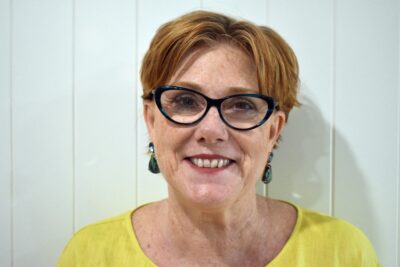
About Dr. Adrian Ka-Ho Tong, Counselling Psychologist & Lecturer

Adrian TongDr. Adrian Tong is a highly accomplished counseling psychologist with a diverse educational background. Having earned a Doctor of Psychology in Counseling Psychology, a Master of Social Science in Counseling, and a Bachelor of Science in Psychology, he brings a wealth of knowledge and expertise to his work. Currently, Dr. Tong holds multiple roles, including serving as a counseling psychologist at St. John’s Cathedral Counseling Centre, where he provides invaluable support to individuals and couples seeking guidance and healing. Additionally, he shares his wealth of knowledge as a lecturer at Hong Kong Shue Yan University and serves as a clinical supervisor at Hong Kong Polytechnic University. Dr. Tong’s specific areas of interest revolve around the process of psychotherapy, parenting dynamics, parental stress, children’s behaviors, and special educational needs. Through his varied roles, Dr. Adrian Tong continues to make a significant impact in the field of counseling psychology, enriching the lives of individuals, families, and the community as a whole.

Spotlight Profile – Shanna Quinn, Barrister-at-Law, Mediator, Forensic Social Scientist and Parenting Co-Ordinator

In this spotlight profile, we are speaking to Shanna Quinn.  Shanna is based in Brisbane, Australia but works cross-border in Hong Kong as a Barrister-at-Law, Mediator, Forensic Social Scientist and Parenting Co-Ordinator in Family Law.

Shanna’s experience in Family Law is extensive as she helps individuals resolve disputes and is a representative in court proceedings.  Shanna has been involved in highly complex and sensitive cases in family law, ranging from relationships, child protection and domestic violence orders. Shanna also works closely with family law practitioners in Hong Kong, providing her insight and practical training.


Shanna, thank you for taking the time to speak with us today.  Shanna, we spoke with you a few years ago when you wrote an article for Hong Kong Divorce as a special contributor regarding mediation. That was very helpful so we want to thank you so much for your contribution.

First off, can you tell us a little bit about your background and training?

I worked for many years as a forensic social scientist, preparing over 1,000 family law reports in contested parenting proceedings and child protection litigation. I think I have given expert opinion evidence in perhaps 100 trials. I was in my forties when I transitioned to law and now practice as a barrister, representing parties in financial and parenting trials as well as child protection and domestic violence proceedings. I have had a mediation practice since 1990 and established a mediation practice in Hong Kong in 1999, having initially come to Hong Kong to train lawyers to mediate when the Family Court introduced its Pilot Family Mediation Scheme. In about 2017 I trained as a parenting coordinator and provide that service both in Hong Kong and Australia. Currently I am in the process of kick-starting family report preparation in Hong Kong.


In addition to being a mediator, you are also a trained parenting co-ordinator.  Can you tell us more about this role that you have as a parenting co-ordinator?

It’s very interesting and equally difficult. Sometimes I feel like a battering ramp. Parents who come to parenting co-ordinators (“PC”) are typically highly conflicted. Often they have not spoken for a very long time and have been gripped in the rigours of litigation. But when you start to see some real improvement in how the parents start to communicate with each other, start seeing them actually become respectful of each other and start developing some real insight into the needs of their children, it all seems to be worth the effort.

The short version is that PC is essentially about helping parents implement Court orders. After what can be years of litigation, the court pronounces judgement and parents are expected to go off and implement the orders. It is an extraordinarily difficult, and generally unrealistic, to expect that two highly conflicted people can all of a sudden get on with the business of co- parenting, in some way shape or form.

So, the PC’s role typically evolves around the roles of educator, problem-solver, coach and advisor.

I have noticed some differences in how PC is practiced in Hong Kong compared to how it is practiced in Australia. Some of these differences include issues to do with confidentiality and reportability, which includes the possibility of the PC’s giving evidence; the frequency of sessions; the contract period; access to third parties and access to material such as reports that were prepared during litigation, and school and medical reports and whether the PC should speak to the child. However, I think what is most important is that the PC and the parents are very clear about the role and functions of the process and together establish goals and boundaries.

It is relatively early days in the development of PC in Hong Kong and Australia. We need to keep vigilant as the process evolves to ensure that we keep relevant and responsive to our clients need.


As a parenting co-ordinator, what are the main issues and conflicts that you are seeing between co-parents?

I think one universal problem, in the first instance at least, is that the parents, having most often just emerged from the trenches of litigation, are always distrustful of each other, generally angry, bitter and hurt.

I used to make the mistake of embarking on an immediate path of educating the parents how to effectively communicate and problem solve.  Not any more. While the PC is not there to provide therapy, I have found that it is crucial that in the early phases of the process, parents are given the opportunity to decompress. This can be tricky because if the PC does not hold the reigns firmly, parents can remain locked in the past and incapable of looking to the future. But I think to ignore their emotionality will be at a great cost.

To say that the parents need help communicating sounds quite trite. However that is exactly the help they need. I think the PC needs to be creative here. Monitoring all forms of communication, giving very specific instruction about what they can and cannot say to each other and even getting them to role play a conversation with me are common techniques I employ.

Another issue is helping them come to terms with the fact that they cannot operate unilaterally in terms of making decisions about the children. Some parents find this more challenging than others. There are reasons for this of course, but when an order is made that says parents have to now mutually agree, the prospect of all of a sudden having to confer with a parent, whom was historically an absent parent, becomes a real struggle.

I think associated with that issue, is helping a parent, who might now have the opportunity for greater involvement in their children’s lives, to be child focused. It is not about what the parent wants but what the child needs. This insight does not come easily and may require considerable work.

I suppose another common issue I find is parents undermining the children’s relationship with the other parent. While a common issue it is a complex dynamic and needs multi layered intervention.


What advice do you have for parents who are trying to co-parent amidst a divorce?  What do you recommend for parents so that they can successfully navigate healthy parenting post-divorce?

Stay out of court. Be patient. Get support.


As a parental co-ordinator, do you ever interact with the children? If so, how do you help counsel children who are going through the difficulties of their parents’ divorce?

Some PCs would never speak to the children. Others would. Certainly a PC should never speak to a child unless they have experience in conducting clinical interviews with the children.

I will speak to the children, but it is a bit like mediation. Keep the children away from the process, wherever possible. If they are to be spoken to, then the reason must be clear and purposeful. Most importantly, the PC must have some measure of confidence that the children will not be at risk of their parents’ retribution for saying things that conflict with their parents’ views or wishes.

Speaking to a child would never be for the purpose of providing counselling. It would be for the purpose of assessment.


Is there anything else you would like to address before we say goodbye?

While PC is typically introduced post final orders and occasionally as part of an interim order, I think lawyers should also consider PC for their clients before legal proceedings are instituted, or, very early in the legal process. It is a hard road for parents to learn the art of co-parenting once they become embroiled in the quagmire of an adversarial process.


About Shanna Quinn, Barrister, Mediator and Parental Co-Ordinator

Shanna Quinn

Shanna Quinn has built her career on helping individuals and families navigate disputes and conflict in a fair, equitable and conciliatory manner. Her practical approach to your situation, combined with her extensive experience as a Barrister, Mediator and Forensic Social Worker can add significant value to your case.

Shanna has been involved in highly complex and sensitive cases involving family breakdowns, relationship disputes, child protection and domestic violence orders. Shanna is able to quickly comprehend her clients’ needs, is adaptive and can deliver valuable, practical and prompt legal advice, mediation and training.


Spotlight Profile – Dr. Cheung Ching Ping, Dennis, Psychiatrist

In this spotlight profile, we are speaking to Dr. Dennis Cheung, a specialist in psychiatry and medical director at HealthyMind Centre, based in Hong Kong.  Dr. Cheung is also the founding director of Healthykiddo, a charitable organization, aiming at helping kids with special needs. Apart from that, Dr. Cheung is also a clinical honorary assistant professor at Department of Psychiatry, HKU.

Dr. Cheung, thank you for taking the time to speak with us today. 

Can you tell us a little bit about your background and training?

I was born and raised in a grassroots family. My parents had devoted their entire life to improve the living conditions of the family. Their hardwork provided a positive role model for myself and the family.. With plenty of effort, I managed to get admitted to the medical school of Hong Kong University in 2003, in the year of SARS. After graduation, I chose to continue with specialist training in psychiatry. When comparing to other specialties, I realized that psychiatrists spend much more time understanding the patient as a whole, rather than focusing on a specific pathogen or specific part of the body.

During my service in the public sector, I obtained broad exposure to various psychiatric services, including general adult, child and adolescent, substance abuse, psychogeriatric and psychiatric rehabilitation services. I am now a Fellow of The Hong Kong College of Psychiatrists and a Fellow of the Hong Kong Academy of Medicine in the specialty of Psychiatry.  I am also a specialist in psychiatry with The Medical Council of Hong Kong.

I started private practice in 2017 with the clinic name “HealthyMind Centre”, hoping to help more people achieve a “healthier mind”. I believe psychiatric treatment is not only about medication, but should be more comprehensive. I thus invited some other professionals like clinical psychologists, family therapists, TMS specialists and counsellors  to join me and I formed a team to help with those in need.

We are seeing a lot more individuals willing to speak about self-care and the need to take care of their mental health especially with all the challenges individuals face on a day-to-day basis.  Can you tell us about some of the key struggles/issues you are witnessing with your clients in Hong Kong? 

Absolutely. It’s great to see a growing awareness of the importance of mental health and self-care.

In Hong Kong, one of the biggest challenges I have seen among clients is the high stress levels that come with the fast-paced and competitive nature of the city. Many people struggle to find a balance between work, family and personal life, which can lead to burnout, sleep problems, anxiety and depression. Many clients are experiencing significant amounts of stress from different aspects, such as work, study, relationship or family issues and they do not have enough capacity or resources to handle it. It is important for individuals to prioritize their mental health and seek out support whenever necessary.

What advice do you provide for those struggling through mental health issues?

In Hong Kong, according to the latest survey, 1 in 7 people in Hong Kong are having a mental health issue. Mental health problem are not uncommon. Dealing with mental health issues can be challenging, but it is important to remember that help is always available. Here are a few things to consider:

  1. Seek professional help: If you are struggling with mental health issues, it is essential to seek professional help. Delay in seeking support might make the condition even worse. Consider seeing a therapist, a counselor, or a family doctor if you are not sure how severe your condition is or who to approach.
  2. Self-care: Self-care can assist in managing many mental health issues. Ensure that you are getting enough rest, exercising regularly and making time for activities that you enjoy.
  3. Connect with others: Isolation can worsen the symptoms of many mental illnesses. Connect with close friends or family, join a support group or even try some volunteer works might help ease some of the sufferings or symptoms.

Are there are a lot of resources available for individuals who are struggling mentally and emotionally? Where can these individuals reach out for help?

There are many resources available for individuals who are struggling mentally and emotionally. One good place to start is by contacting a social worker or your family doctor. They can help guide you to the appropriate resources and support in your community. Additionally, many non-profit organizations and support groups exist to help individuals who are struggling with mental health issues. It’s important to remember that seeking help can be difficult, but it is a brave and important step towards better mental health.

Do you work with clients/patients who are struggling with divorce and the breakdown of the family unit?

I do work with clients who are struggling with divorce matters or breakdown of the family unit. They are mostly presented with different mood problems or sleeping issues. Sometimes, it is the children who are having  adjustment issues. Divorce and the breakdown of the family unit can be incredibly challenging experiences, often resulting in significant emotional distress for those involved. It is important for individuals going through a divorce or experiencing family conflict to find appropriate support. It is also important to remember that, while these situations may be difficult, there are often ways to find positive outcomes and work towards healing and growth.

For those struggling with a divorce, what would you suggest they do to move forward and find hope in such a dark period of their lives?

Divorce can be an incredibly difficult and painful experience, but it is important to remember that you can rebuild and find hope, even in the midst of the darkness. Here are some suggestions for moving forward:

  1. Take time for self-care: Prioritize your own physical and emotional health by engaging in regular exercise, practicing mindfulness, and joining activities that you enjoy.
  2. Seek out support: Talk to your trusted friends or your family members regarding your difficulties, or seeking help from local support groups. It is important to have a support system to turn to during this challenging time.
  3. Allow yourself to grieve: Divorce often comes with a sense of loss, and it is important to allow yourself the time and space to grieve that loss.
  4. Stay positive and hopeful: Remember that this is a transitional period, and that you have the power to create a new future for yourself. Keep a positive outlook and focus on the possibilities ahead.


About Dr. Cheung Ching Ping, Dennis, Medical Director and Psychiatrist at HealthyMind

Dr. Cheung Ching Ping, Dennis, Medical Director and PsychiatristDr. Dennis Cheung is a specialist in psychiatry and medical director at HealthyMind Centre, based in Hong Kong.  Dr. Cheung is also the founding director of Healthykiddo, a charitable organization, aiming at helping kids with special needs. Apart from that, Dr. Cheung is also a clinical honorary assistant professor at Department of Psychiatry, HKU.

For more information regarding HealthyMind Centre, you can visit: https://www.healthymindhk.com/

For more information regarding Healthkiddo, you can visit: https://www.healthykidhk.org/

Spotlight Profile – Man B.W. CHUNG, Marriage Counselor, Parenting Coordinator and Accredited Family Mediation Supervisor

In this spotlight profile, we are speaking to Man B.W. Chung, a marriage counselor, parenting coordinator and accredited family mediation supervisor in a NGO in Hong Kong.  In her capacity of playing the role, Ms. Chung handles over 40 mediation cases and 20 child-intervention cases in a year.

Ms. Chung, thank you for taking the time to speak with us today. 

Thank you for inviting me.

Can you tell us a little bit about your background and training?

I am a social worker and I have been working with youngsters since I was graduated.  I have furthered my study in the area of Family Mediation and Family Therapy and have worked in the area of divorce in recent years.  I am practicing the Therapeutic Family Mediation Approach and making use of Child-inclusive Mediation Model in conducting family works in restoring family functioning whilst they are in turmoil of the marriage.

Let’s first dive into your work as a marriage counselor.  What are some of the central themes/issues that you are seeing in couples after three (3) very difficult years of living with the Covid-19 pandemic?

I could respond with the word “challenging” to describe the post-pandemic era.  We all know that the lockdown situation posed high pressure to people in Hong Kong, which then aroused conflict within family members.  Along with the waves of emigration after these social incidents, some couples have had trouble possessing similar points of view or expectation towards their future.  As a result, I have come across divorce cases where there is fierce conflict or talks about “leave or stay” as well as the relocation of children.  We can foresee that the divorce rate could break the record high this year.

What practical advice do you see yourself giving to couples who are going through marriage difficulties right now? What can they do re-ignite the love and passion in their marriage and get through difficulties?

It is understandable that couples facing difficulties would tend to quit as they are usually on the verge of emotional outburst or being disconnected in their relationship.  In my daily practice, couples usually see marriage with a myth that divorce could end every problematic situation.  I could respond to them that, divorce brings another set of problems for us to face.  The accountable solutions may be resolving the problem or enhancing problem solving skills instead.

Couples have their own past history that they cherish and their yearning of attachment to each other.  In other words, they have their own positive communication channel inside.  Our responsibility is to remove the communication blockages between them by encouraging them listen to each other, try to feel others’ emotion inside and allow them to share their own vulnerability.  Sometimes, they only need others’ understanding and acknowledgment.

I always suggest couples seek professional assistance as early as they can, before the relationship becomes frozen or there is too much hatred aroused.

What is the difference between your work as a marriage counselor and as a family mediator?

A marriage counselor would aim at reconciliation in a couples’ relationship and a family mediator would aim at resolving disputes while the couple decided to divorce.   It seems that the two services are working towards two directions but our service delivery is at the cross-section of the two domains.  We could see, firstly, that the divorce decision is a dynamic that could potentially be reversed upon intervention with mediation or counseling.  Secondly, the practice of Therapeutic Family Mediation is also an aim at rebuilding couples’ relationship to a reasonable level that facilitates a communicable co-parenting environment for the growth of children.   Therefore, a family mediator bearing two sets of techniques may benefit families in overcoming their difficulties with different direction.

When is family mediation necessary? What role does family mediation play?

The family mediation plays a role of dispute resolution within the divorce procedure.  Couples may need to seek assistance  from the start of their communication of plans to separate.  I would also suggest couples to approach counselors or family therapists as soon as the idea of divorce arises.

In divorce, a parenting coordinator can be helpful and sometimes extremely necessary.  Can you please explain the role you play as a parenting coordinator?

Parenting coordination is challenging as there are usually a lot of hurts and conflicts between spouses in their divorce.  Most of the time, their conflicts involve parenting.  Hurts also trigger hatreds that affect their decision making.  In my opinion, a minimal intervention to relationship recovery for the divorced couple may help while their relationship could return to a co-operative level that facilitates rational co-parenting, as I’ve stated above.  Frankly speaking, if parents could communicate, we have no need to do too much in terms of parenting coordination.  While we are playing the role as a parenting coordinator, we sit in between spouses and take a neutral stance with passionate understanding to each party’s needs.

What are the pros and cons of having a parenting coordinator during and post-divorce?

Of course, if co-parenting does not function in some families, immediate intervention is significant for maintaining the daily lives of children.  It is the ultimate goal of all our practitioners, to try to lower the negative effect divorce may have on the growth and daily lives of children.  Furthermore, to set up a workable co-parenting plan that fit to family needs may sometimes alter weak points or blind spots that the current working plan would overlook.  Therefore, the role of parenting coordinators must be done by psychologically trained practitioners.  We can especially focus on the specific psychological needs of children in parental divorce and can be more caring to children who have a variety of special needs.

What advice do you have for parents who are trying to co-parent amidst a divorce?  What do you recommend for parents so that they can successfully navigate healthy parenting post-divorce?

First of all, I would suggest that each individual have a brave face in the midst of divorce, whilst at the same time seeking the necessary assistance from professionals.  As I have mentioned, divorce brings your family another set of difficulties to be solved.  The most crucial but difficult one should be the long-term arrangement to facilitate the healthy growth of the children.   Secondly, seek help as early as you can, not only in the midst of a divorce but also within your marriage before you make any decision on it.   Lastly, I would like to tell all the parents in representing our children, that their needs must be nurtured for their future.  Do not give up communication with your ex-spouse to make a desirable co-parenting plan and to co-create their future.

What advice do you give children who are struggling with the divorce of their parents?  What practical exercises can they do to alleviate the anxiety and worry they may feel given such difficult circumstances?

In my past experiences in assisting elder children or teenagers, it is heartbreaking that divorce truly poses a negative effect on children despite their parents’ attempts at avoiding it.  To reduce the effects, I would suggest to children that first of all, try to avoid being involved in important decision making.  It protects the children from the anxieties induced by biased information and the loyalty split between each parent.  Try to suggest to  their parents to communicate directly and tell them the same decision they have made.  Another reminder for children is that they should not immerse themselves too much in the emotions of one or both of the parents.  Children cannot become their counselor and children should be free to tell their parents that they instead find a professional to assist.   We can suggest they concentrate on achieving their developmental tasks, such as learning, making friends, searching for their own identity and enhancing self-esteem, as well as developing their own future that do not let parental divorce become their developmental load.


About Man B.W. Chung

Ms. Man Chung is a registered social worker and a Family Therapist.  She is especially interested in integrating micro-counselling skills in the mediation process to promote client’s co-parenting abilities while practicing the Therapeutic Mediation Approach.  Being trained to be a Child-inclusive Mediator, Man also put her efforts in helping families with teenage children by using CIM’s child assessment techniques on reflecting children’s needs and emotions for facilitating parent’s agreement accomplishment.

Ms. Chung graduated with a Masters of Arts in Family-centered Practice and Family Therapy at the Hong Kong Polytechnic University and also has a Master of Social Science in Social Work in Family from The University of Hong Kong.   She attained her accreditation as a Clinical Fellow in American Association of Marriage and Family Therapist and she is an accredited Family Mediation Supervisor in Hong Kong Mediation Accreditation Association Limited.

Contact of Man B.W. Chung

manbwchung@gmail.com


Spotlight Profile – Jacky T. K. Lai, Mediator

In this spotlight profile, we are speaking to Jacky T.K. Lai, a mediator and barrister at IceHouse Chambers in Hong Kong.  Jacky is a mediator and mediation advocate with experience in over 850 cases that includes disputes involving children and finances.  Jacky has also utilized his expertise as a mediator to train others in the field (as Trainer with Hong Kong International Arbitration Centre (HKIAC), Training Qualifications UK (TQUK)/The Office of Qualifications and Examinations Regulation (Ofqual) and Hong Kong Professional Mediation Association (HKPMA), and as Coach with many other institutions).

Jacky, thank you for taking the time to speak with us today.

Can you tell us a little bit about your background and training?

I am a barrister called to the Bar in June 2007, mediator, arbitrator and lecturer on mediation and negotiation topics for universities and mediation institutions.  I like to mediate on various sorts of cases including matrimonial matters.  I find resolving conflicts through interest-based negotiations very satisfying, and I am grateful for the trust that I receive from the parties and learned friends.

I received my general mediation training in 2008 from the Accord Group in liaison with HKUSPACE, and my matrimonial mediation training in 2010 from Hong Kong Catholic Marriage Advisory Council (CMAC).

You have considerable expertise in your role as a mediator and as a mediation advocate.  First, can you tell us why you advocate mediation first in any legal dispute?

Parties usually have too much information but lack of insight.  With their entrenched long-time hatred towards one-another they become too emotionally entangled and entwined into an “Avenger” mentality, thereby losing sight of other dimensions and bigger goals in their lives.  They often get tunnel-vision.  Mediation gives them an opportunity to zoom-out and to hear from each other.  Once communication starts, then understanding at a deeper level can commence.  Of course, the parties may still choose not to settle, yet it is ensured that it is an informed decision, and not because of a lack of communication nor mutual understanding.

You have worked in numerous mediations and in various disputes not only matrimonial disputes. Is there a common theme that you notice in all your mediations that results in a successful mediation? Is compromise the key element to a successful mediation?

The common themes are: broader outlook on the disputes, new dimensions and new observations on life and the issues, a more realistic and a more objective assessment of the law, the facts and the evidence, as well as the perspectives of the opponents.  Sometimes, they just need a platform, a facilitator, a face-saving setting to settle the case.   We mediators are the catalyst in the sessions.

Compromise is NOT a key element to a successful mediation.  Compromise is only a minimalist approach towards settlement.

What works in mediation is: Collaboration. Understanding. Communication. Objectivity. Positivity.  Rethinking.

What can couples do to prepare for a successful mediation?

Have a pre-mediation meeting with a good mediator accompanied by their solicitor/counsel and supported by a trusted and beloved one.  The pros and cons, the costs and benefits and the strategy and tactics, are all re-examined thoroughly, in a safe environment, and the couples are empowered to make decisions.  Of course, trust and rapport are being built throughout the process, and the trauma, pains, suffering and fears are being acknowledged and addressed as well.  If the wound is not healed, at least antiseptic is applied and a bandage is attached to it.  Active listening and empathy are the key elements.

Through your experience, you have come across mediations where a resolution is simply unattainable.  In your matrimonial mediations, what has been the key element of an unsuccessful mediation?

Inadequate insight, mutual understanding, active listening, rethinking, new dimensions or outlook of everything else are common themes.  Tunnel-vision and inadequate wisdom and courage to walk a new path, objectivity, positivity are also common themes.  Many times, the root is insufficient love towards themselves and the children.

In a nutshell, what is lacking is the absence of the essential elements of interested-based negotiations.


About Jacky Tsk Kin Lai, Mediator and Barrister at IceHouse Chambers
Jacky T.K. Lai, a mediator and barrister at IceHouse Chambers in Hong Kong.  Jacky has been a mediator and mediation advocate in over 850 cases that includes disputes involving children and finances.  Jacky has also utilized his expertise as a mediator to train others in the field.
Jacky has been a barrister-at-law in private practice in Hong Kong since 2007. He practices in civil and criminal litigation as well as mediation. Jacky received his Bachelors Degree in Economics and LLM from the University of Hong Kong, MBA from the Chinese University of Hong Kong, and LLB from Manchester Metropolitan University. He obtained his HKIAC Accreditation as General Mediator in 2009 and Family Mediator in 2012 by the Hong Kong International Arbitration Centre (HKIAC), and the Hong Kong Mediation Accreditation Association (HKMAAL) Panels of General and Family Mediator since its inception in 2012.
Jacky has been a member of the HKIAC Users’ Council since 2009.  He is the Chairman of the General Mediation Division (GMD) under the Hong Kong Mediation Council and person-in-charge of the Council’s Membership Committee.  He was the Honorary Secretary of Hong Kong Mediation Council (HKMC) under the HKIAC last year, and member of HKIAC’s General Mediation Interest Group. He acted as Vice-Chairman of the HKIC Family Mediation Interest Group, Person-in-charge of Building Management Sub-Group and Person-in-charge of Labour and Employment Mediation Sub-Group. An HKMAAL accredited mediator (General and Family), he has served as a mediator in hundreds of cases.
Jacky has a wealth of teaching, coaching and judging experiences with many universities in Hong Kong with particular emphasis on Mediation and ADR. He is Head Trainer and Chief Assessor of mediation course for Training Qualifications UK, Office of Qualifications and Examination Assessment (TQUK/ Ofqual) and Assistant Head Trainer of HKMAAL 40-hour curriculum, Mediation Subject Expert of Hong Kong Council for Accreditation of Academic and Vocational Qualifications and International Mediation Competition Coach and Judge of International Chamber of Commerce, Professional Mediator on many mediation panels and mentor mediator for the Joint Mediation Helpline Office.
黎子健先生  LLB, LLM (HKU), BSocSc, MBA, FHKI Arb, MCIArb
黎先生自 2007 年起在香港擔任私人執業大律師。他的執業領域包括民事和刑事訴訟以及調解。 黎先生在香港大學獲得經濟學學士學位和法學碩士學位,在香港中文大學獲得工商管理碩士學位,在曼徹斯特都會大學獲得法學學士學位。他分別於 2009 年和 2012 年獲得了香港國際仲裁中心(仲裁中心)認可的一般調解員和家事調解員資格,並於 2012 年香港調解資歷評審協會有限公司(調解資歷評審協會)成立起獲得其一般調解員和家事調解員資格。
黎先生自 2009 年起擔任仲裁中心益友會成員,也是仲裁中心轄下的香港調解會(調解會)的榮譽秘書,且任仲裁中心一般調解興趣小組成員。他曾為仲裁中心家事調解小組的副主席、物業管理調解推廣小組負責人和勞工及僱傭關係推廣小組負責人。 作為調解資歷評審協會認可的調解員(一般和家事),他曾在數百個案件中擔任調解員。
黎先生在香港多所大學擁有豐富的教學、培訓和評審經驗,尤其重視調解和其他替代性糾紛解決方式。 他是英國特許資歷培訓處/評核及考試規例局認可的調解課程的首席培訓師和首席評估員、調解資歷評審協會40小時課程的助理首席授課者、香港學術及職業資歷評審局的調解事項專家、 International Chamber of Commerce國際調解比賽教練和評委、多個調解小組的專業調解員和 聯合調解專線辦事處的導師調解員。